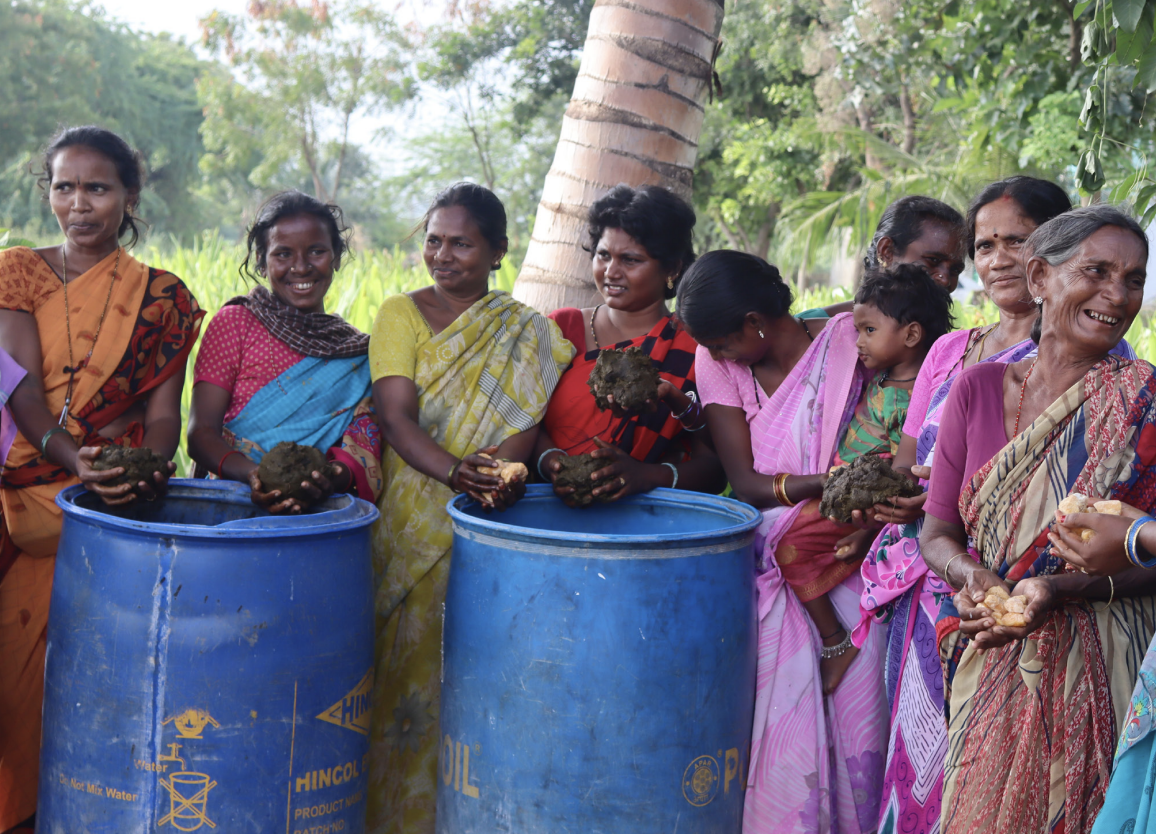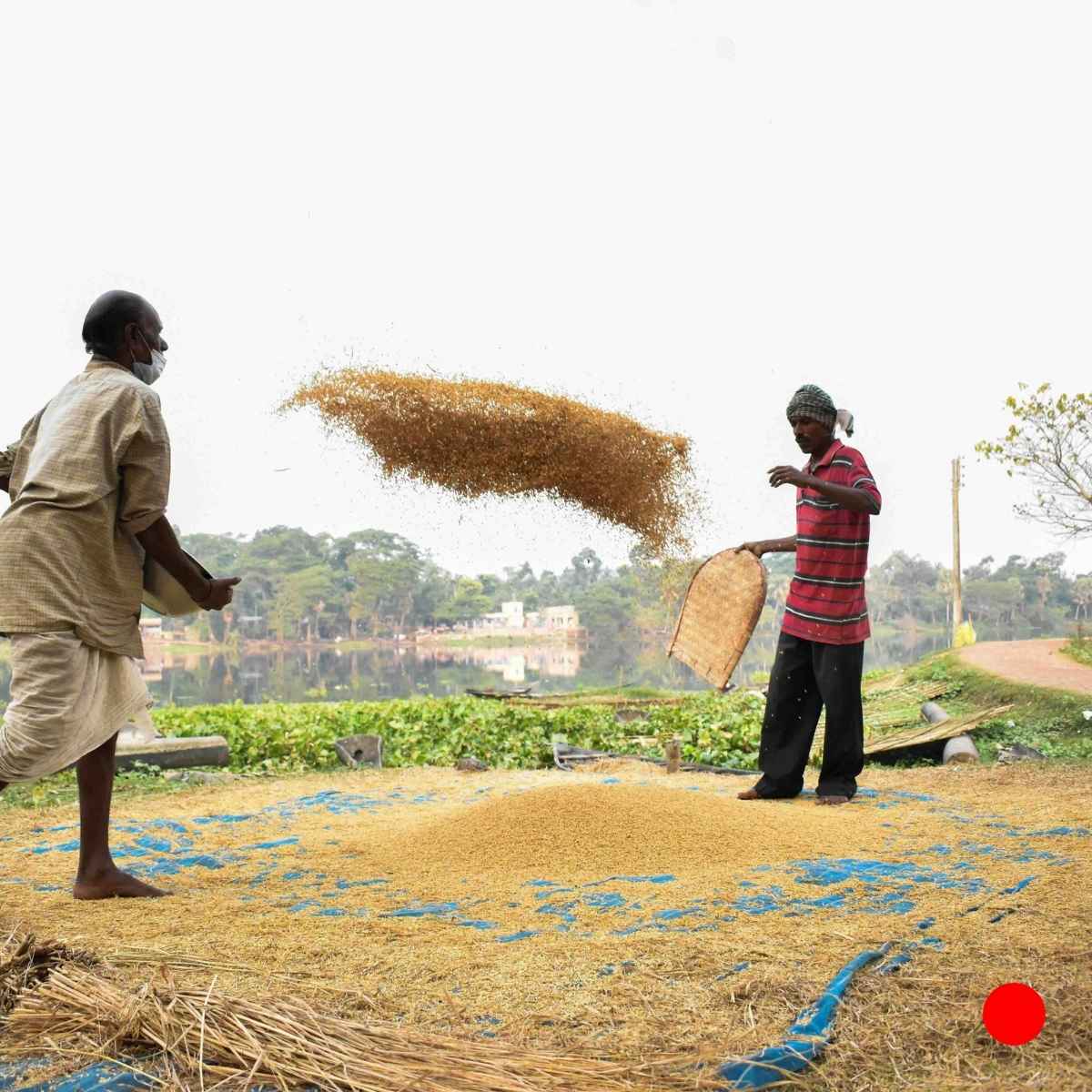
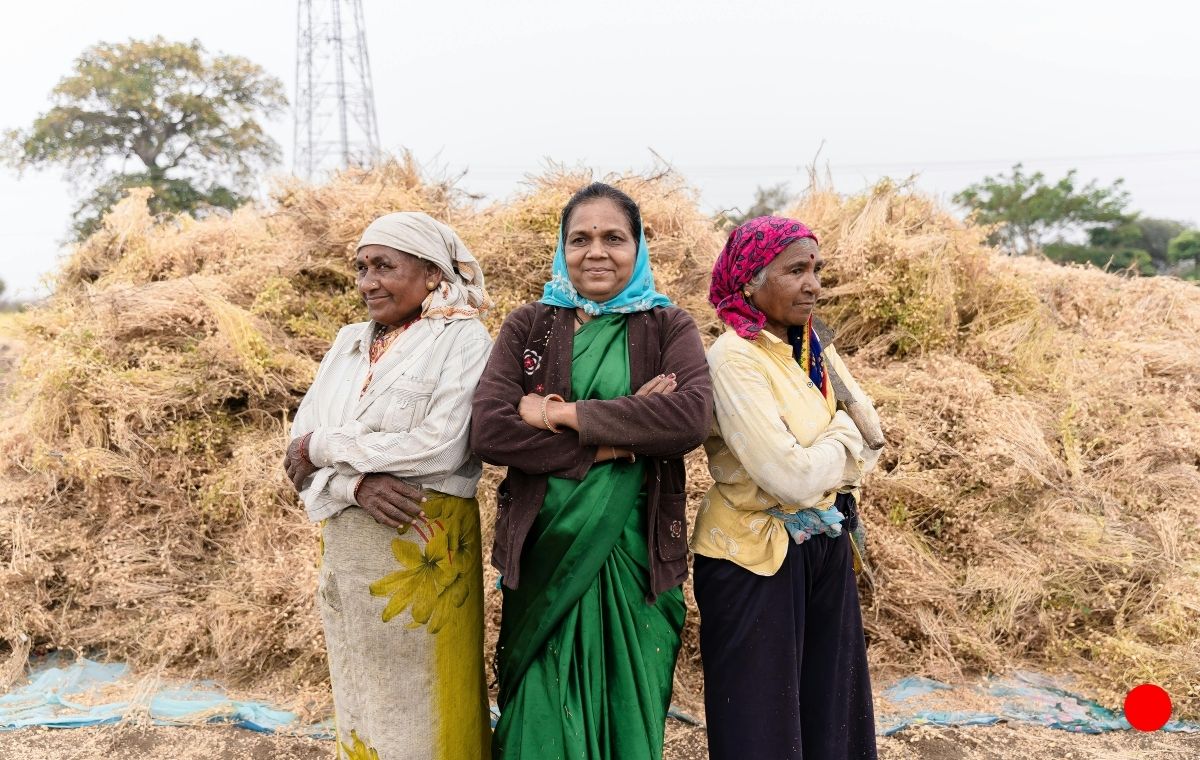
The Andhra Pradesh Community Managed Natural Farming (APCNF) Programme is an initiative spearheaded by Rythu Sadhikara Samstha (RySS), a not-for-profit organization functioning under the Department of Agriculture, Government of Andhra Pradesh. The programme aims to promote large-scale adoption of natural farming practices among farmers, seeking to reduce dependency on high input costs and mitigate the debt cycles prevalent in conventional agriculture.
Community Resource Persons emerged as key facilitators in operationalizing and training to prepare the natural fertilizers through the programme at the grassroots level. Currently, the APCNF initiative reaches more than six million farmers across 13 of Andhra Pradesh’s 26 districts.
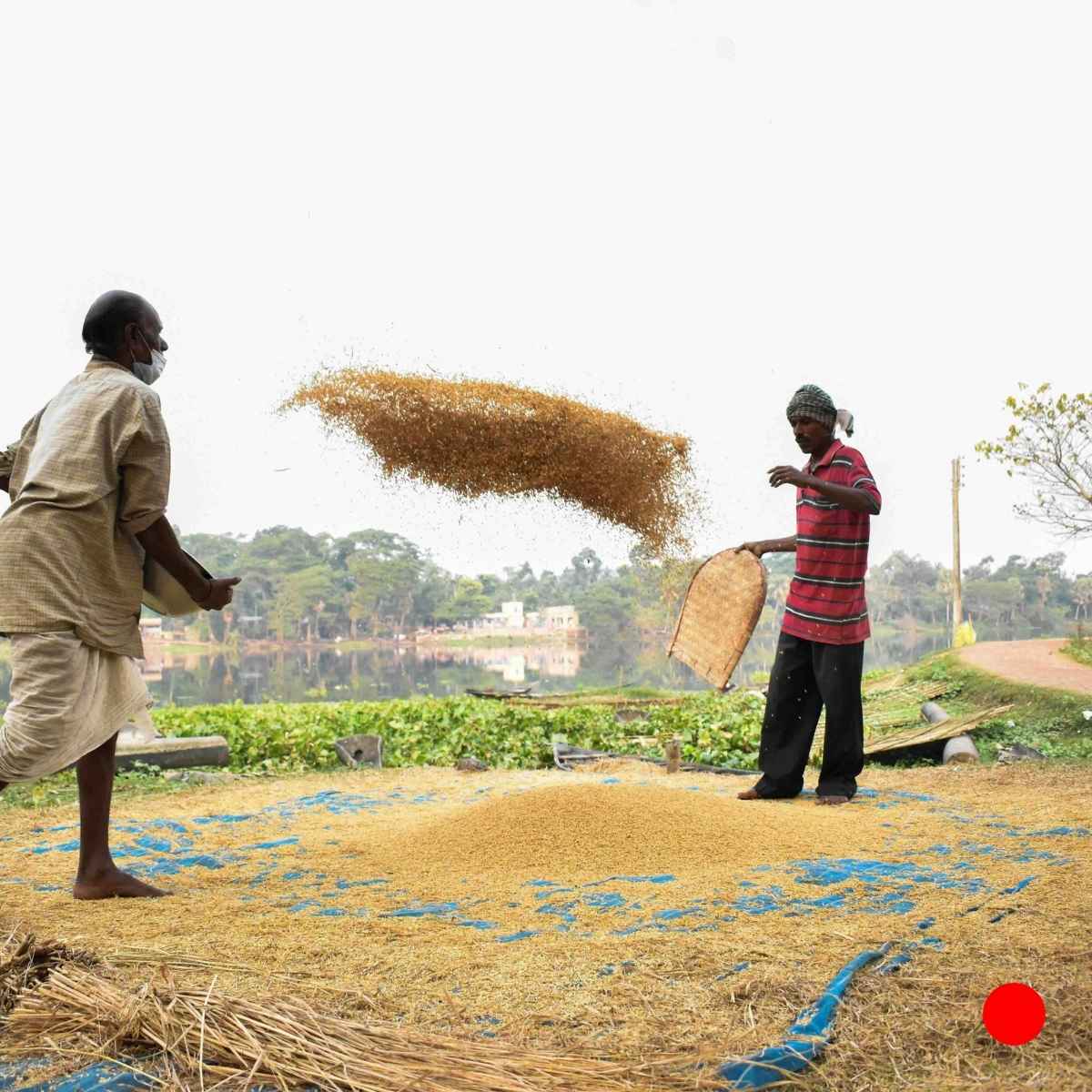
To rigorously evaluate the long-term impact of the APCNF programme, a Randomized Controlled Trial (RCT) was designed as part of a five-year longitudinal study (2022–2027). The study compares outcomes between natural farming (NF) adopters and non-adopters through repeated surveys, conducted three times per year, allowing for high-frequency tracking of agricultural, environmental, and socio-economic indicators.
DIA led data collection for the third round of the second year and the first round of the third year of the study, conducted between September and December 2024.
The survey collected extensive data on cropping patterns during both the Kharif and Rabi seasons. For the control group, detailed information was gathered on fertilizer, herbicide, and pesticide use and associated expenditures. For the treatment group, the focus included production and application costs of natural organic fertilizers promoted under APCNF.
In addition, the survey gathered critical indicators related to farming practices and the reasons for crop failure, offering a comprehensive understanding of agricultural dynamics under both conventional and natural farming systems.
The survey provides insights into the programme’s overarching aim of this study is to systematically compare the economic, social, and environmental outcomes associated with the adoption of Natural Farming (NF) practices, relative to those resulting from conventional, chemical-based farming systems.
By employing a rigorous research design, the study seeks to generate robust, evidence-based insights into how NF influences key indicators such as farm-level profitability, household well-being, soil health, input use, biodiversity, and climate resilience.