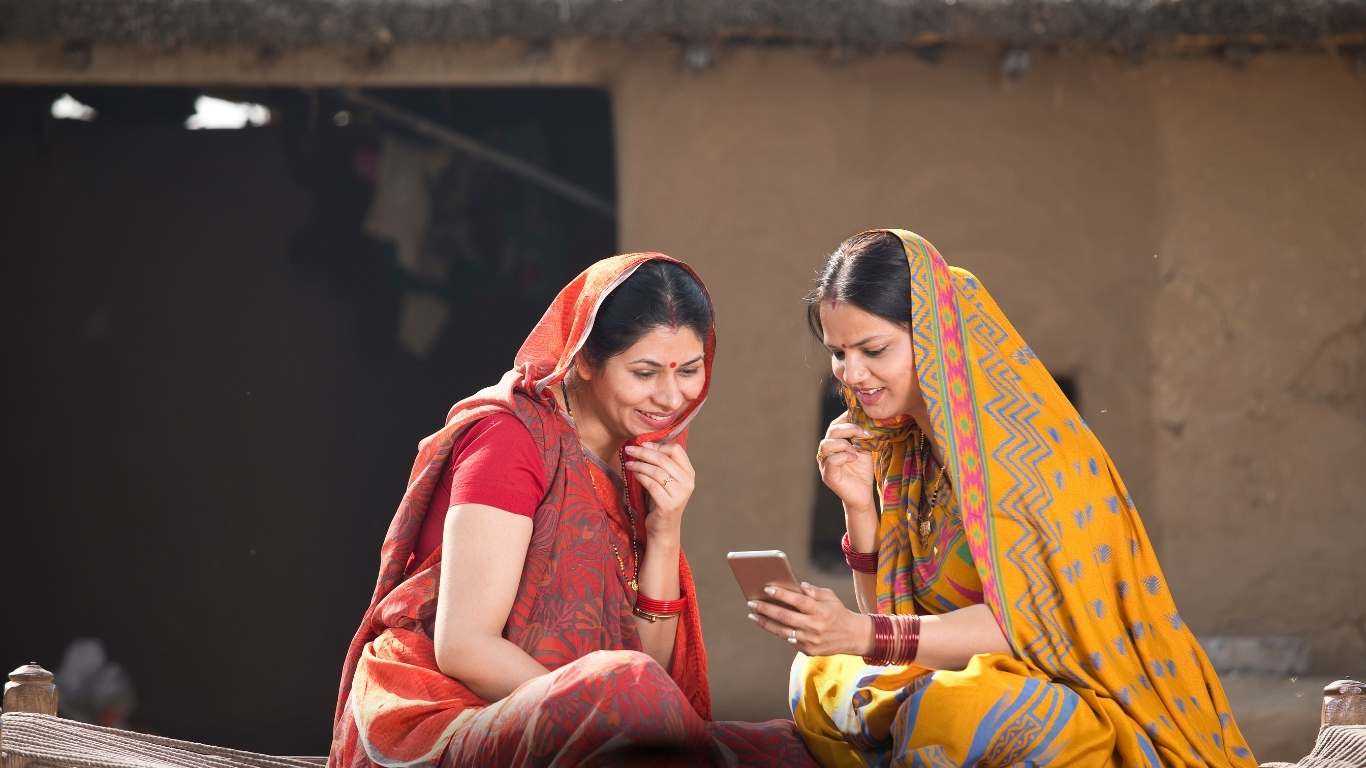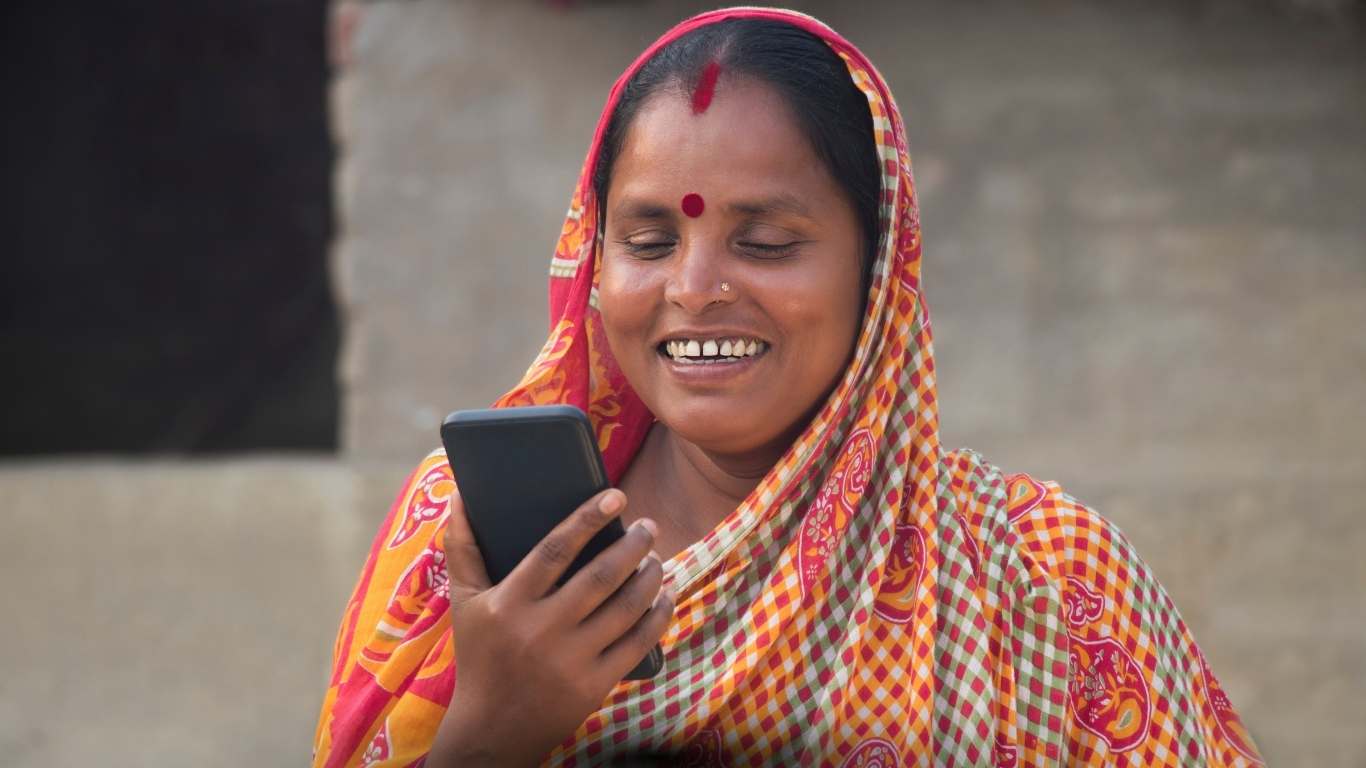
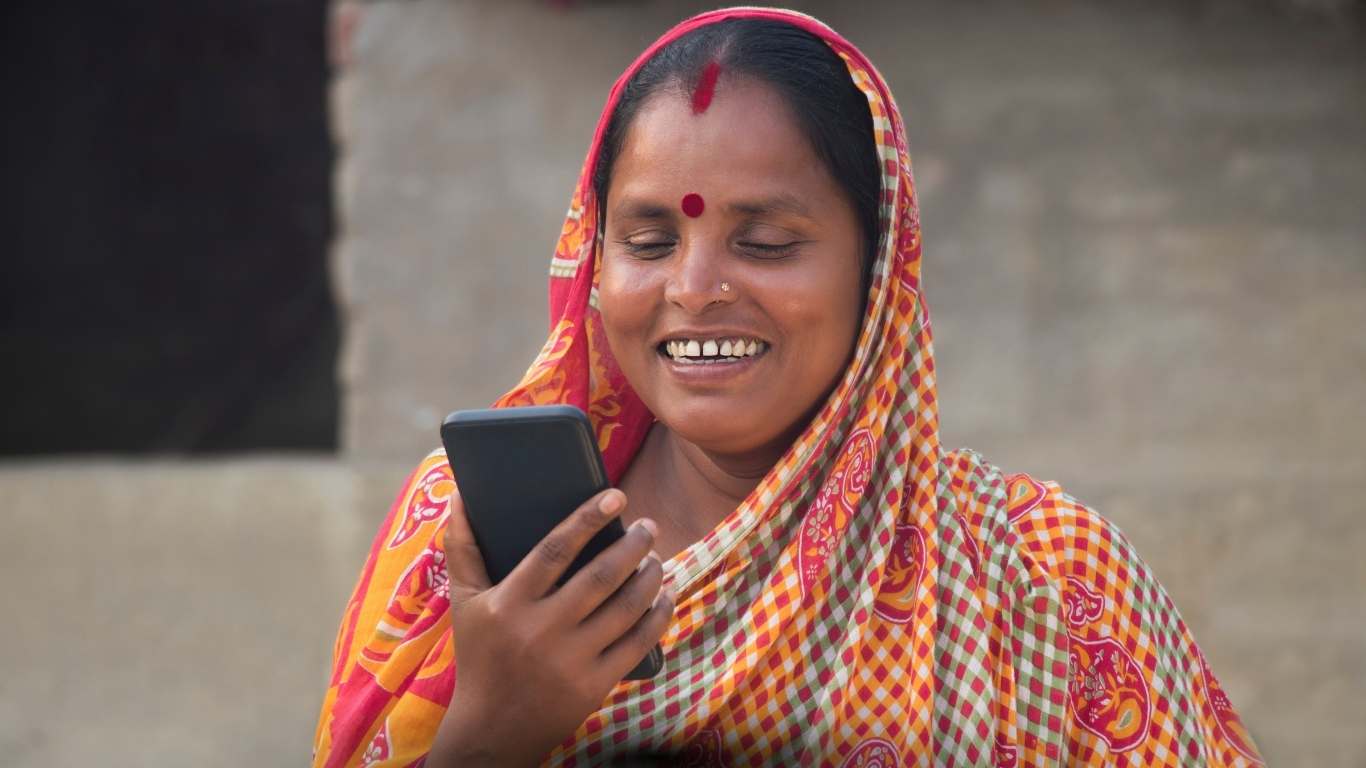

Women in LIHs have unique challenges posed by irregular and unpredictable household incomes, and established financial services may have gaps that make it difficult for them to access money when they need it.
Dvara Research conducted a survey designed to understand and explore the financial management practices of women from Low-Income Households (LIHs), and to see how they could be helped towards making the transition towards digital payment apps.
The criteria for their selection included their socio-economic background, access to mobile phones and banking services. A key intervention was that of the ‘Sakhi’ – a female peer from the local community who facilitated the introduction of the UPI app to the study participants. In the first phase, the Sakhi’s provided active support to the participants, and the second phase discontinued this active assistance.
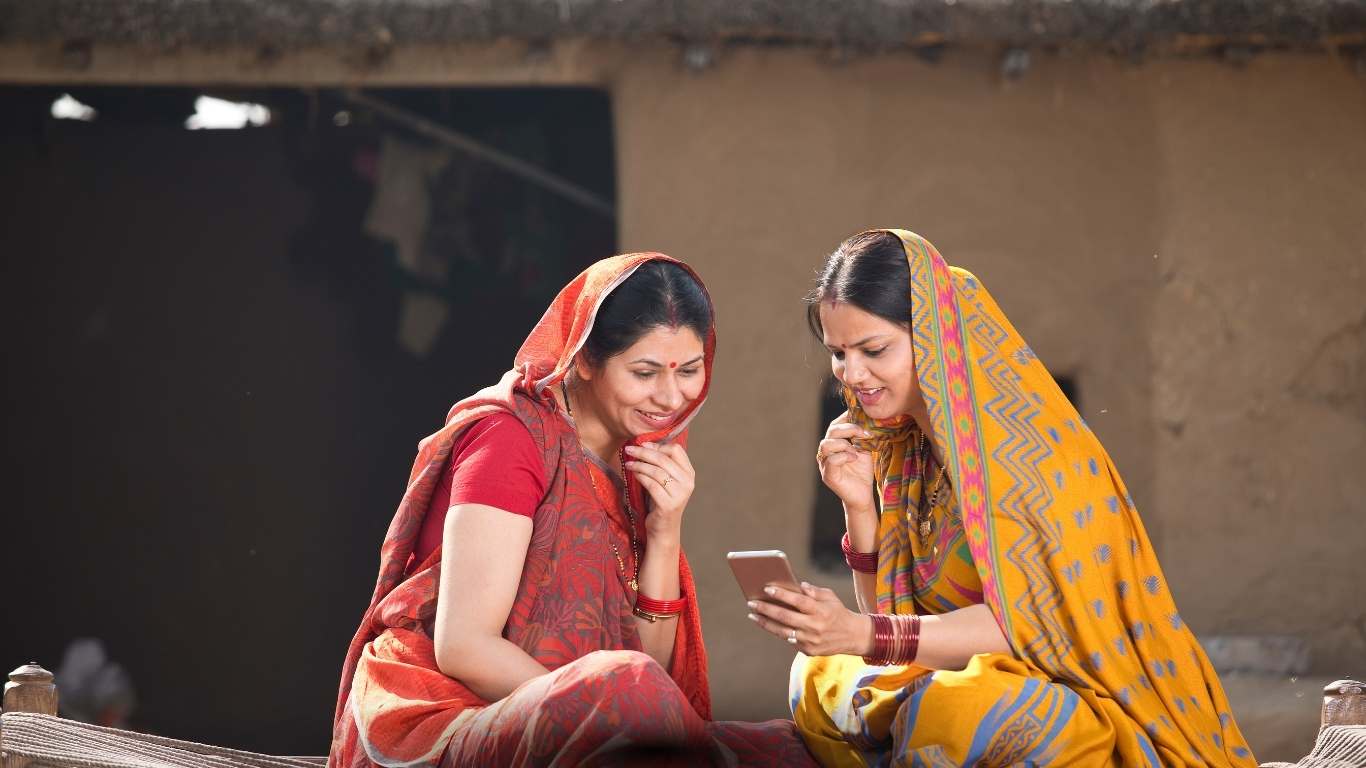
To begin our data collection, we first organised a Trust-Building Training of Trainers, with sessions attended by research associates, field managers and supervisors and our enumeration team, along with monitoring officers from the Gramin Vikas Trust and the Sakhis. In order to ensure the smooth implementation of the process, we focused on building trust between the enumerators and the Sakhis, who would be working together to collect highly sensitive transactional data on a fortnightly basis, giving them the tools needed to create a safe environment for respondents.
Our survey additionally included questions that were non-transactional, which aimed to understand the respondent’s financial goals, savings plans, the urgency of their requirements and their recent engagements with each goal. We also had a section gathering information on their income generation activities.
In order to ensure sufficiently accurate data collection, our team designed a memory aid tool to help respondents recall transactions and their related details, with a calendar featuring weekends festivals and the dates of their last visit, as well as images depicting various types of inward and outward transitions in the survey form, with supported questions on savings, withdrawals, and so on.
The endline survey looked at the respondents’ experience using PhonePay, its usefulness and limitations, and their feedback on the assistance provided by the Sakhi’s during the intervention period.
This project provided us a unique opportunity to collaborate with multiple stakeholders to collect highly sensitive financial data, which demanded extensive trust-building with each respondent, complex survey forms to provide an accurate picture, while managing a substantial volume of data. It required a uniquely context-sensitive approach, with a strong emphasis on trust-building training, a strong on-ground rapport and consistency in follow-ups to ensure successful data collection from the start to the end of the project.